lord of the rings fellowship of the ring pdf
Exploring the digital realm of Tolkien’s classic, this guide introduces the Fellowship of the Ring PDF, outlining its significance, format, and how it enhances reading experiences for fans worldwide. It also offers accessibility and support
Background of The Fellowship of the Ring
The Fellowship of the Ring, the first volume of J.R.R. Tolkien’s epic The Lord of the Rings, was published in 1954. Set in the fictional world of Middle‑Earth, the narrative follows a diverse group of nine individuals—hobbits, a wizard, a dwarf, an elf, and men—who unite to destroy the One Ring. The Ring, forged by the Dark Lord Sauron, threatens to enslave all of Middle‑Earth. The story begins in the Shire, where the young hobbit Frodo Baggins inherits the Ring from his uncle Bilbo. Guided by the wizard Gandalf, Frodo and his companions embark on a perilous journey across varied landscapes, from the tranquil Green Hills to the ominous Mines of Moria. Along the way, they confront treacherous forces, including the Ring‑wraiths, the Nazgûl, and the treacherous creature Gollum, who once possessed the Ring. The narrative explores themes of friendship, courage, and the corrupting influence of power, while weaving intricate lore and detailed world‑building that has captivated readers for decades. Readers worldwide cherish this PDF as a gateway to Middle‑Earth’s rich tapestry, enabling scholars and fans to revisit the story’s depth, symbolism, and timeless appeal with ease and convenience. Its smooth with e‑readers accessibility.
Why PDFs are Popular
Portable Document Format (PDF) is the de‑facto standard for distributing books like The Fellowship of the Ring. Its strengths are cross‑platform consistency, full‑text search, and support for hyperlinks, bookmarks, and embedded images. PDFs stay true to the original layout on Windows, macOS, Linux, or mobile devices, which is essential for readers and scholars. The format allows annotations, highlights, and secure password protection. PDFs can be compressed without losing quality, making them lightweight for download and storage. Free PDF readers are ubiquitous, and conversion to ePub or MOBI is easy, giving users flexibility. These features explain why PDFs remain the preferred medium for literary works, including Tolkien’s celebrated series. Readers appreciate the ability to annotate directly, highlighting passages and adding notes that sync across devices. The format’s compatibility with e‑book platforms ensures that even large volumes remain accessible without compromising readability; Additionally, publishers can embed metadata, enabling advanced search and indexing. The PDF’s resilience against formatting drift makes it ideal for academic citations and long‑term preservation.

Legal and Ethical Considerations
Respecting Tolkien’s rights, users must avoid unauthorized PDFs. Legal routes include purchases, library access, or public‑domain releases. Ethical use protects authors and preserves literary heritage.

Copyright Laws Pertaining to Tolkien’s Works
J.R.R. Tolkien’s writings remain under strict copyright protection in most jurisdictions, with the author’s estate retaining exclusive rights for the life of the author plus 70 years, while in the European Union the term is similarly long, ensuring that the text, illustrations, and any derivative works cannot be freely distributed without explicit permission. The Tolkien Estate, headquartered in New Zealand, actively monitors and enforces these rights, issuing takedown notices and pursuing legal action against unauthorized reproductions. Digital copies, including PDFs, are treated the same as print editions, any distribution, even for personal use, requires license or purchase. The estate has also established a licensing framework that allows publishers, educational institutions, and digital platforms to obtain legitimate copies through negotiated agreements. These agreements typically involve royalty payments and adherence to specific formatting and distribution guidelines. For readers, the safest approach is to acquire the PDF through official channels that have secured the proper rights, thereby ensuring compliance with international copyright law and supporting the continued stewardship of Tolkien’s legacy. Failure to do so not only violates legal statutes but also undermines the‑so.

Legitimate Sources for PDF Downloads
Legitimate PDF versions of The Fellowship of the Ring are available through a handful of reputable outlets. The Tolkien Estate’s official website offers a digital storefront where users can purchase a licensed PDF, ensuring the text is authentic and legally compliant. The major book retailers such as Amazon, Barnes & Noble, and Book Depository also provide authorized e‑book editions that can be downloaded in PDF format after purchase. Academic libraries, through interlibrary loan services, often grant temporary access to licensed digital copies for research purposes, and some universities host the PDF on their library portals for enrolled students. Additionally, the Project Gutenberg platform occasionally hosts public‑domain works, but Tolkien’s texts remain under copyright, so any free PDF found there is likely unauthorized. For those seeking a legitimate, cost‑effective option, the official digital editions from the estate or licensed retailers are the safest choice, as they guarantee proper formatting, embedded metadata, and support for the author’s legacy. By purchasing through these authorized channels, readers enjoy a high‑quality digital experience and help preserve Tolkien’s visionary world for future generations today!!.
Risks of Unofficial Copies
Downloading The Fellowship of the Ring PDF from unverified sites exposes readers to malware, corrupted files, and legal penalties. Unofficial copies often lack proper formatting, missing chapter breaks, and can contain tampered text that alters meaning. Users may inadvertently install spyware or ransomware, jeopardizing personal data. Moreover, each unauthorized download infringes on Tolkien’s copyright, depriving authors and publishers of revenue that supports future works. The quality of such PDFs can be poor, with low resolution images, broken hyperlinks, and missing annotations, diminishing the reading experience. Finally, reliance on unofficial sources can perpetuate a cycle of piracy, weakening the industry’s ability to fund new literary projects and digital innovations. Staying within licensed channels protects both the consumer’s device and the creative ecosystem. Additionally, unofficial PDFs may contain hidden scripts that compromise device security. They often omit author credits, violating intellectual property norms. Users risk legal action if discovered, and the lack of official support means no updates or corrections, leaving readers with incomplete or inaccurate content.

How to Access the PDF
Purchase the digital edition via the publisher’s website or authorized retailers. Libraries offer e‑lending services, and academic institutions provide licensed copies. Always verify the source before downloading.!
Official Purchasing Options
To obtain a legitimate PDF of The Fellowship of the Ring, the most reliable route is through the official publisher, HarperCollins, or its digital arm. The publisher’s website offers a secure checkout that guarantees the file’s authenticity, complete with the original cover art, chapter headings, and embedded metadata. Digital retailers such as Amazon Kindle, Barnes & Noble Nook, and Google Play Books also provide licensed PDF versions, often bundled with supplementary content like author notes or maps. When purchasing, pay attention to the file format: a true PDF will retain the book’s layout, whereas some platforms convert to ePub or Mobi, which may alter the reading experience. Additionally, many retailers offer a “Buy Now, Read Later” option that allows you to download the PDF immediately after payment, ensuring you can start reading without delay. Some publishers offer a subscription model, where you can access a library of Tolkien titles for a monthly fee; this can be a cost‑effective choice for avid readers. Always verify that the seller displays a digital rights management (DRM) badge or a clear statement that the copy is licensed, as this protects you from illegal or pirated versions. Finally, keep the receipt and any license key provided, as they may be required for future downloads or for transferring the file to a different device. By following these official channels, you can enjoy a high‑quality, legally compliant PDF that respects the author’s intellectual property and supports continued publication of the beloved series. This ensures a pristine reading experience while protecting the work for future readers and authors daily. Customers can also opt for a digital bundle that includes the entire trilogy, offering convenience.
Library and Educational Resources
Many public libraries now offer digital lending of The Fellowship of the Ring in PDF format through services like OverDrive, Libby, and Hoopla. Patrons can borrow the book for up to 21 days and read it on any device that supports PDFs. A valid library card is required, which can be obtained at a local branch or online. Educational institutions often provide the PDF via learning management systems, allowing students to download it for research or coursework. Some universities partner with the Tolkien Society to supply annotated digital archives. When using these resources, it is important to respect lending limits and avoid distributing the file beyond the intended audience. Libraries offer interlibrary loan for PDFs, if the local collection lacks the title. The British Library’s Digital Collections also offer a high‑resolution scan of the original 1954 edition, preserving the original typography and marginalia for researchers. Library apps such as Libby or OverDrive let readers bookmark pages, adjust font sizes, and sync progress across devices; Digital copies are DRM‑protected, preventing unauthorized redistribution!
Free Public Domain Alternatives
While The Fellowship of the Ring itself remains under copyright, related materials such as maps, illustrations, and scholarly essays occasionally enter the public domain. Some universities host digitized versions of early drafts or annotated manuscripts that can be accessed freely. Additionally, fan‑created summaries and study guides, when licensed under Creative Commons, provide valuable insights without infringing on the original text. These resources are typically available through open‑access repositories, digital libraries, or community‑curated websites. Users should verify the license status before downloading or sharing to ensure compliance with copyright law.
These open‑access materials often include high‑resolution scans of original illustrations, marginalia, and early drafts that enrich the reader’s understanding of Tolkien’s creative process. Scholars frequently cite these resources in academic papers, and educators adapt them into lesson plans that explore themes, narrative structure, and linguistic innovation. Because the content is freely available, students can annotate directly within the PDF, share notes with peers, and collaborate on group projects without violating licensing agreements. Always confirm that the source explicitly states public domain status or provides a Creative Commons license before incorporating it into your work. See more. Enjoy!

Features of the PDF
Explore interactive navigation, searchable text, embedded maps, high‑resolution images, annotation tools, and customizable view modes that enhance immersion and study efficiency for readers and scholars alike. !
Text Search and Navigation
In the Fellowship of the Ring PDF, the search function allows quick retrieval of specific passages, names, and locations; Users can input keywords, phrases, or even character names to jump directly to relevant sections. The navigation pane displays a hierarchical outline of chapters, sub‑chapters and key scenes, enabling seamless movement through the narrative. Bookmarking features let readers mark favorite moments for later reference. Advanced search options support case‑sensitive queries, whole‑word matching, and regular expressions, catering to both casual readers and academic researchers. The PDF viewer’s zoom controls and page‑fit modes ensure optimal readability on various devices, from smartphones to large monitors. Additionally, the document’s internal links, such as cross‑references to appendices and footnotes, provide contextual depth without leaving the current page. The combination of robust search capabilities and intuitive navigation transforms the PDF into an interactive study companion, enhancing comprehension and engagement with Tolkien’s intricate world. Additionally, the PDF supports embedded audio commentary, letting readers hear narration that complements the text for a richer daily experience!.Here
Embedded Images and Maps
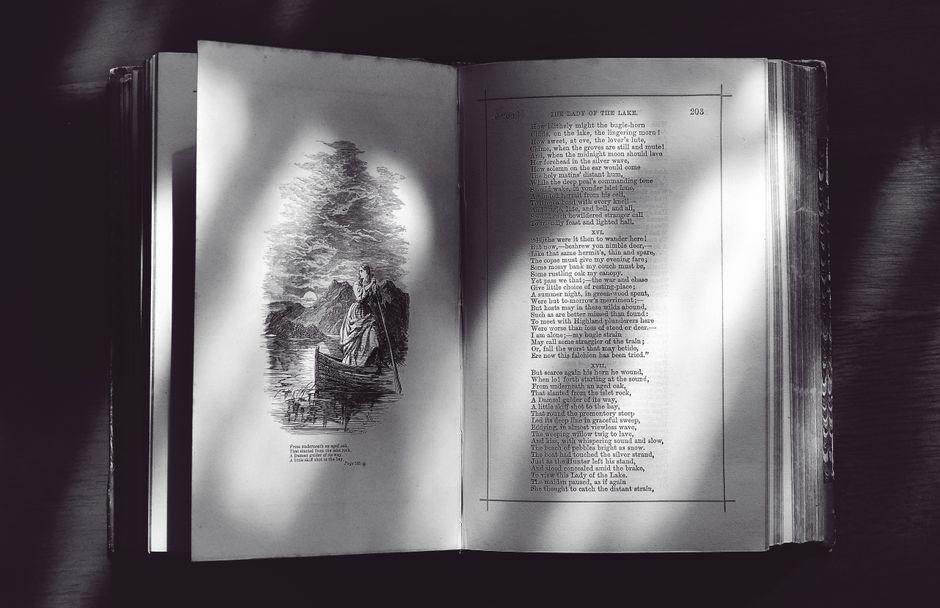
The PDF version of The Fellowship of the Ring incorporates a rich array of visual elements that bring Middle‑Earth to life. High‑resolution illustrations from the original edition are embedded throughout the text, allowing readers to view detailed drawings of characters, weapons, and architectural details without leaving the page. Each image is linked to its corresponding chapter, and zoom controls enable magnification to appreciate fine artistic details. In addition to illustrations, the document contains several full‑page maps that chart the journey of the Fellowship across the varied terrains of the Shire, Rivendell, Moria, and beyond. These maps are interactive: clicking on a landmark opens a pop‑up with a brief description, and the map’s layers can be toggled to view different time periods or alternate routes. The PDF’s annotation tools let users add personal notes directly onto the maps, drawing routes or highlighting key locations for future reference. Together, these embedded images and maps provide a visual companion that enhances narrative immersion and aids in spatial understanding of the story’s geography. They also serve as valuable study aids for teachers and scholars who wish to analyze Tolkien’s world‑building techniques and the interplay between text and image. High‑quality graphics and interactive mapping make the digital edition a complete resource for readers and researchers.
Annotation and Highlighting Tools
In the Fellowship of the Ring PDF, annotation and highlighting features are fully integrated, allowing readers to mark passages, add comments, and organize notes within the document itself. The built‑in text‑selection tool lets users highlight any portion of the narrative, while the comment icon opens a sidebar where users can type observations, questions, or cross‑references. These notes are saved as metadata, so they remain attached to the original text even if the PDF is shared or printed. Users can also create custom tags—such as “character development,” “plot twist,” or “world‑building”—to quickly filter and locate relevant annotations later. The sidebar supports threaded replies, enabling collaborative discussions among study groups or book clubs. Additionally, the PDF includes a “bookmark” function that lets readers jump directly to previously marked sections, streamlining review sessions. The highlight colors are customizable, and the software automatically adjusts contrast for readability on both light and dark backgrounds. Finally, all annotations can be exported to a separate text file or shared via email, making it easy to compile research notes or study guides. These tools transform the passive reading experience into an ex personalized learning journey.
The Fellowship PDF preserves Tolkien’s world, empowering readers to engage deeply. Legal sources enable rich journeys through Middle‑Earth, offering searchable text, annotations, and interactive maps for immersive study. for avid readers.! Now
Key Takeaways
The Fellowship PDF offers a portable, searchable, and richly annotated version of Tolkien’s seminal work, allowing readers to revisit Middle‑Earth with ease. Key takeaways include the convenience of digital access, the ability to highlight passages, and the integration of interactive maps that enhance spatial understanding of the narrative. By choosing legitimate sources, users protect the rights while enjoying a high‑quality reading experience .!!! The PDF format preserves ensuring that the aesthetic integrity of the text remains intact. Additionally, the searchable text feature enables quick reference to specific chapters, names, and themes, which is invaluable for academic study or casual exploration. Annotation tools empower readers to add personal notes, cross‑references, and citations directly within the document, fostering deeper engagement. The inclusion of embedded images and maps provides visual context, making the Shire, Rivendell, and the Mines of Moria more accessible. Finally, the PDF’s compatibility across devices—from smartphones to tablets and desktop computers—means that fans can carry the entire saga wherever they go, ensuring that the spirit of adventure remains with them at all times.

Best Practices for Using the PDF

To fully benefit from the Fellowship PDF, start by choosing a robust reader that offers annotation, bookmarking, and search capabilities. Organize the file in a dedicated folder and back it up to prevent accidental loss. Use the search bar to locate key passages, then bookmark essential chapters for rapid access. When annotating, assign distinct colors: yellow for direct quotes, blue for thematic cues, and green for personal reflections. Keep notes concise, referencing page numbers to preserve context. Export annotations to a separate file or sync with cloud services if you wish to collaborate with others. Leverage embedded maps by zooming in and adding route markers; this visual aid clarifies the journey’s geography. Respect copyright by avoiding redistribution; instead, share summaries or insights. Regularly update your reader to benefit from improved PDF rendering. Finally, maintain a clean reading environment: close unrelated tabs, adjust brightness, and use night mode for extended sessions. By adhering to these practices, you safeguard the text’s integrity while enriching your exploration of Middle‑Earth. Enjoy the immersive experience; and share insights. Stay curious. 🙂 Read
Future Resources and Updates
As Tolkien scholarship expands, new digital editions and companion guides are emerging. Upcoming releases may feature enhanced annotations, interactive maps, and audio commentary that deepen understanding of the Fellowship’s journey. Keep an eye on official publisher announcements and fan‑curated repositories for updates. Many libraries now offer e‑loan services, allowing instant access to the latest PDF versions without purchasing. Additionally, academic institutions frequently publish research papers and annotated editions that can be downloaded for free, providing scholarly insight into character development and thematic motifs. Stay connected with Tolkien fan forums, newsletters, and social media groups where members share links to legitimate, updated PDFs and discuss new findings. Finally, monitor open‑access archives for legally released editions that may incorporate community contributions, such as user‑generated glossaries and translation options. By regularly checking these channels, you can ensure your copy remains current and enriched with the newest academic and fan‑generated resources. Stay engaged with the Tolkien community, and enjoy the evolving digital landscape that keeps the Fellowship alive for future generations!!!