bartenders guide
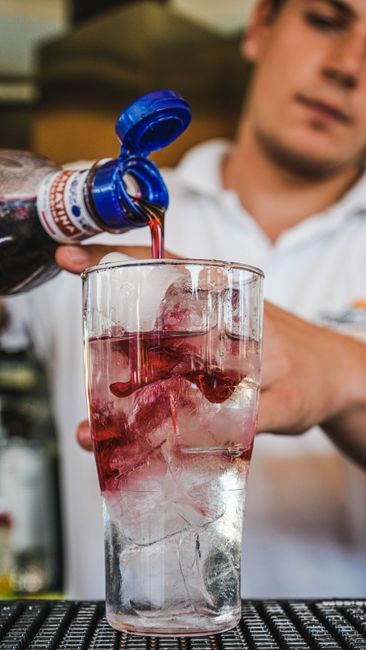
Discover the world of bartending through essential guides like Bartenderu Guide, Complete World Bartender Guide, and The Bartenders Guide To Cocktails. These resources cover spirits, techniques, and classic recipes, empowering aspiring bartenders with knowledge and inspiration. Master techniques, flavor, industry
Essential Knowledge
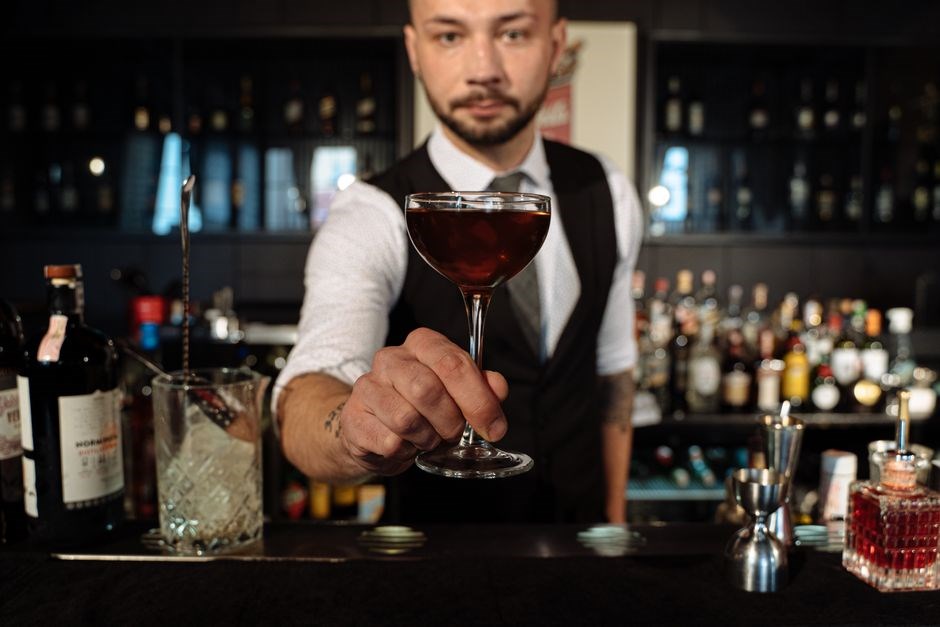
Begin with a solid grasp of bartending fundamentals: terminology, ingredient sourcing, flavor balance, and service etiquette. Study authoritative texts such as Bartenderu Guide and Complete World Bartender Guide for insights. Mastering these basics sets the stage for creative mixology and proexpert success.
Spirits Classification
Spirits form the backbone of every cocktail, and a bartender’s expertise hinges on understanding their diverse categories. Classification typically follows three axes: base ingredient, production method, and regional style. Below is a concise taxonomy that aligns with the classic references found in the Bartenderu Guide and the Complete World Bartender Guide.
- Grain‑based Spirits – These include whiskey, bourbon, rye, and scotch. They are distilled from fermented grains such as barley, corn, or rye. The choice of grain, mash bill, and distillation cut heavily influence flavor, from smoky peat to sweet caramel.
- Fruit‑based Spirits – Brandy, cognac, and armagnac derive from distilled wine or fermented fruit mash. The terroir of the fruit, aging in oak, and the type of cask (e.g., French oak, American oak) impart distinct aromatics.
- Corn‑based Spirits – Bourbon is the quintessential example, requiring at least 51% corn. The high corn content yields a buttery, vanilla‑rich profile that pairs well with citrus or spice.
- Agave‑based Spirits – Tequila and mezcal originate from the agave plant. Tequila must be produced from 100% blue agave in designated Mexican regions, while mezcal often incorporates a smoky character from roasting the agave hearts.
- Sugar‑cane Spirits – Rum is distilled from molasses or sugar‑cane juice; Variants such as white, gold, dark, and spiced rums differ in aging time, cask choice, and added spices.
- Neutral Spirits – Vodka, gin, and aquavit are distilled to high proof and then flavored. Vodka is prized for its purity, gin for juniper‑dominated botanicals, and aquavit for dill or caraway.
- Liqueurs and Fortified Wines – These are spirits sweetened and flavored with herbs, fruits, or spices. Examples include triple sec, amaro, and vermouth. Their lower alcohol content and added sugar make them ideal for sweetening cocktails.
Beyond these primary groups, sub‑categories such as single‑malt versus blended whisky, or aged versus unaged rum, further refine the classification. Mastering these distinctions enables bartenders to craft balanced drinks, anticipate flavor pairings, and educate patrons about the stories behind each pour.
Legal definitions also shape classification. For instance, bourbon must be aged in new charred oak barrels for at least two years, while scotch must mature in oak casks for a minimum of three years. These regulations guarantee consistency and protect regional heritage. Understanding such nuances allows bartenders to authenticate spirits and advise guests on provenance.
Micro‑distilleries have expanded the spectrum, producing experimental spirits like wheat‑based gin with floral botanicals or rye‑based whiskey aged in wine barrels. These niche offerings often carry unique flavor signatures that can elevate a cocktail’s profile.
These descriptors help create memorable experiences and delight.
Fermentation Basics
Fermentation is the biochemical conversion of sugars into alcohol and flavor compounds, a process that underpins every spirit mentioned in the Bartenderu Guide and the Complete World Bartender Guide. The core ingredients are a carbohydrate source (grains, fruit, sugar‑cane, agave), a yeast strain, water, and a controlled environment. Yeast, typically Saccharomyces cerevisiae, consumes fermentable sugars and produces ethanol, carbon dioxide, and a bouquet of esters, aldehydes, and higher‑than‑ethanol alcohols that define the character of the final spirit. Temperature is critical: most ale yeasts thrive at 18–22 °C, while lager yeasts require 7–13 °C for a cleaner profile; The duration of fermentation varies—ranging from a few days for a quick rum mash to several weeks for a robust whiskey mash—allowing the yeast to fully metabolize sugars and develop complex flavor notes. During fermentation, pH drops, creating an environment that limits bacterial contamination and encourages the growth of desirable yeast. The resulting “wash” or “mash” is then distilled to concentrate the alcohol and separate it from unwanted solids and water. Proper fermentation control—monitoring gravity, temperature, and yeast health—ensures consistency and safety, and is a foundational skill highlighted in bartending education resources.
The interplay between yeast metabolism and mash composition creates a spectrum of aromatic compounds that define each spirit’s signature. By adjusting sugar concentration, pH, and fermentation time, bartenders can steer the balance between fruity esters and spicy phenols. Advanced techniques, such as “cold crashing” or “back‑fermentation,” are employed to refine mouthfeel and clarity. Mastery of these variables, as outlined in the Bartenderu Guide, allows a professional to craft cocktails with depth and precision, ensuring that every sip delivers a consistent, memorable experience. Its mastery elevates cocktails.
Distillation Process
Distillation transforms the fermented wash into a spirit by separating alcohol from water and congeners. In a pot still, the mash is heated until alcohol vapors rise, condensing in a coil to form a low‑proof distillate. The pot still’s limited reflux preserves heavier flavor compounds, ideal for whiskey, rum, and some brandies. Column stills, used for vodka and gin, provide continuous reflux; the vapors rise through plates, allowing precise control of cut points that isolate desired alcohol fractions. The “heads” contain methanol and volatile acids and are discarded, the “hearts” carry the pure spirit, and the “tails” hold fusel oils that add body. Temperature monitoring is critical: heads emerge around 78 °C, hearts near 80–85 °C, tails above 90 °C. The distiller adjusts the reflux ratio to shape the spirit’s profile—higher reflux yields cleaner, lighter spirits, while lower reflux retains more congeners for richer aromas. After distillation, the spirit is often diluted to bottling strength, sometimes with a small amount of water to unlock volatile compounds. Advanced techniques, such as “double‑distillation” or “rectification,” further refine purity and flavor. Mastery of these steps, emphasized in the Complete World Bartender Guide, enables bartenders to select or craft spirits that complement cocktail recipes, ensuring balance and complexity in every pour.
Safety during distillation is paramount; proper ventilation, flame control, and temperature regulation prevent flammable vapor buildup. Distillation equipment—stills, condensers, thermometers, and reflux columns—must be constructed from food‑grade materials to avoid contamination. Regular maintenance and calibration ensure consistent product quality and compliance with legal standards. Keep learning day.
Classic Cocktail Recipes
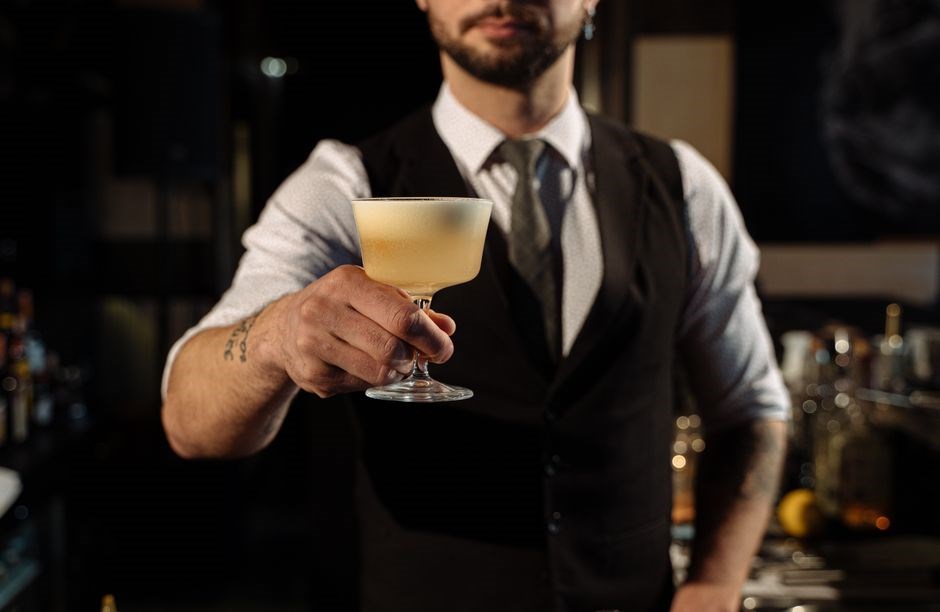
Explore timeless drinks: the Old Fashioned, Manhattan, Negroni, and Daiquiri. Each recipe balances spirit, bitters, and citrus, showcasing classic techniques. Mix, shake, strain, and garnish for polished, professional results. Crafted with precision, these classics inspire and showcase bartending artistry.!!!??
Signature Spirits
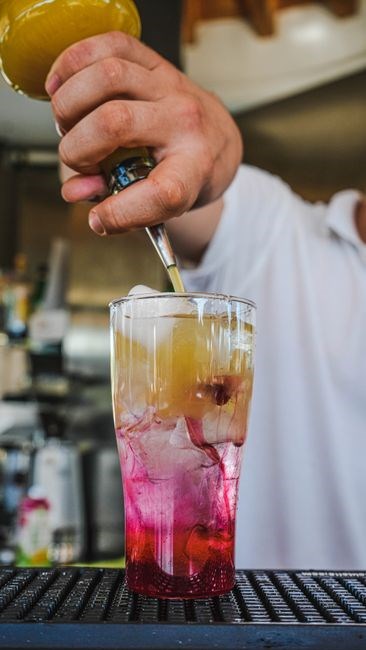
Signature spirits form the backbone of any bartender’s repertoire, each offering distinct flavor profiles, histories, and crafting techniques. Mastery of these core categories—whiskey, gin, rum, tequila, vodka, and brandy—enables mixologists to create both classic and contemporary cocktails with authenticity and flair.
- Whiskey: From smoky Scotch to smooth Bourbon, its grain‑derived flavor and oak aging give caramel, peat, and vanilla notes, ideal for Old Fashioned and Manhattan.
- Gin: A botanical spirit built around juniper, coriander, and citrus, its crisp profile suits Martini, Negroni, and classic high‑ball drinks.
- Rum: Sweet molasses‑heavy dark rums or light dry styles offer tropical sweetness, perfect for tiki cocktails and high‑ball mixes.
- Tequila: Made from blue agave, aged as blanco, reposado, or añejo, its agave sweetness and oak nuance craft Margaritas and Palomas.
- Vodka: Neutral and smooth, vodka’s purity makes it a blank canvas for Cosmopolitan, vodka soda, or any drink needing a clean spirit.
- Brandy: A distilled wine with fruity, caramel notes, aged in oak, it shines in Sidecar, Brandy Alexander, and other classic cocktails.
Understanding the nuanced differences between these signature spirits—alongside their production methods, regional variations, and flavor contributions—provides bartenders with the foundation to innovate, balance, and elevate every drink they serve.
These spirits define flavor and showcase the artistry behind every mix. flair!
Classic Mixers
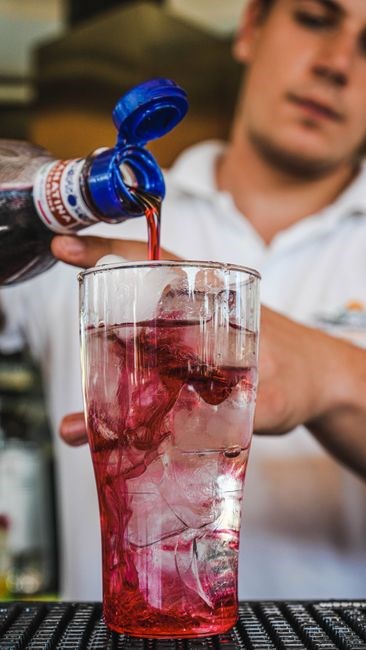
Classic mixers are the essential companions that transform a spirit into a balanced, aromatic, and refreshing cocktail. They provide the necessary acidity, sweetness, carbonation, and flavor layers that allow the base liquor to shine while adding depth and complexity. A bartender’s toolkit typically includes carbonated waters, citrus‑based juices, bitters, syrups, fortified wines, and fresh herbs, each chosen for its ability to complement specific spirits. Carbonated sodas and tonic water add effervescence and cut through sweetness, making them staples for gin‑based drinks. Fresh citrus juices—lemon, lime, and orange—introduce acidity that balances sweetness and enhances aromatic profiles in classics like the Margarita, Daiquiri, and Tom Collins. Simple syrup, honey syrup, and flavored syrups (e.g., grenadine, elderflower) provide sweetness and texture, allowing precise control over the drink’s mouthfeel. Sweet and dry vermouths bring herbal, floral, and caramel nuances, crucial for Martini, Negroni, and Boulevardier. Neutral carbonation dilutes and refreshes, ideal for high‑ball cocktails and to extend the drink without altering flavor. Mastering the art of mixers involves understanding their flavor contributions, proper dilution ratios, and the timing of additions. By selecting the right mixer for each spirit, a bartender can craft cocktails that are harmonious, balanced, and consistently delightful. A well‑chosen mixer can elevate a simple spirit into a memorable experience, turning drinks daily into memorable moments for guests!!
Garnishes and Presentation
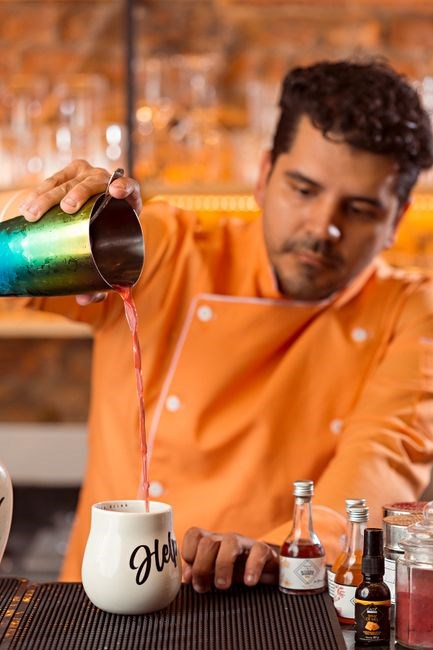
Garnishes are the visual and aromatic finishing touches that elevate a cocktail from a simple mixed drink to a memorable experience. They serve three primary purposes: aesthetic appeal, olfactory enhancement, and functional flavor contribution. A well‑chosen garnish can introduce complementary aromas, subtly shift the taste profile, and provide a tactile cue that signals the drink’s character. Common garnish categories include citrus twists, fresh herbs, edible flowers, fruit slices, and specialty items such as smoked salt or flavored bitters. Citrus twists release essential oils that intensify citrus notes, while a sprig of rosemary or basil adds herbal depth. Edible flowers bring a delicate color and floral sweetness, ideal for gin‑based or vodka cocktails. Presentation extends beyond the garnish itself; the choice of glassware, arrangement, and ice shapes all contribute to the overall sensory narrative. A garnish should be positioned to complement the glass shape, ensuring aroma is directed toward the drinker’s nose while visual impact is maximized. When adding a garnish, bartenders consider the drink’s flavor balance, the garnish’s potential to alter the profile, and the establishment’s theme. Properly executed, garnishes become an integral part of the cocktail’s identity, enhancing look and taste, and leaving a lasting impression. The art of garnish selection and presentation is a subtle yet powerful tool that distinguishes a skilled bartender from an average one, turning each pour into a crafted moment of sensory delight. A garnish can act as a visual cue for the drink’s flavor profile, guiding expectations before the sip. Moreover, the texture of a garnish—crisp citrus peel versus soft herb—adds a tactile dimension that enhances the experience. These categories allow bartenders to tailor garnishes to the spirit’s overall character.
Bartending Tools
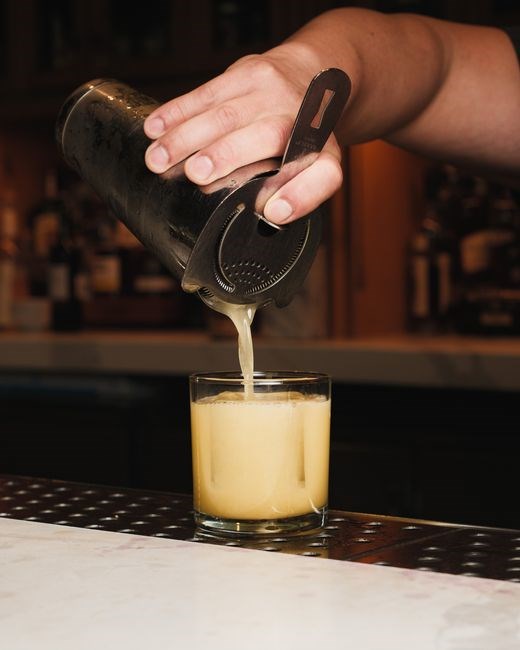
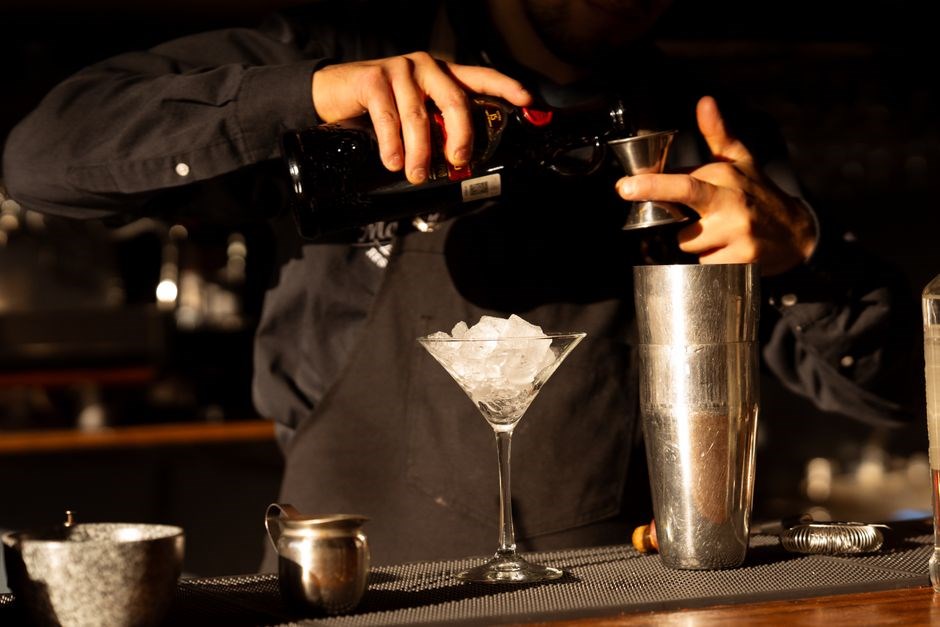
Essential bartending tools form the backbone of every professional bar. The shaker, typically a Boston or Cobbler style, mixes spirits, bitters, and mixers with ice for smooth dilution. A jigger with dual‑sized cups ensures precise ratios, preventing a cocktail from becoming too strong or weak. The Hawthorne or julep strainer filters ice shards and pulp, delivering a clean pour. A bar spoon is used for stirring, layering, and mixing over ice with minimal agitation. A muddler, wooden or metal, crushes herbs, fruits, and spices, releasing essential oils that enrich the drink’s flavor profile. A citrus reamer extracts fresh juice, adding brightness and acidity. A bar knife and cutting board prepare garnishes and fresh fruit. A set of tumblers, highball glasses, and martini glasses provide the appropriate vessel for each cocktail style. A bottle opener, corkscrew, and bottle stoppers maintain the integrity of spirits. A bar mat protects the surface from spills, while a magnetic strip or dedicated drawer keeps tools organized and within easy reach. Proper cleaning routines—washing shakers, strainers, and spoons with hot soapy water, rinsing jiggers, and sanitizing glassware—prevent cross‑contamination and preserve flavor integrity. Regular maintenance, such as tightening loose screws on a shaker or polishing a stainless‑steel muddler, extends tool life and ensures consistent performance. Together, these tools enable bartenders to craft cocktails efficiently, maintain hygiene, and deliver a polished experience to patrons. A high‑quality ice bucket with a lid keeps ice fresh, while ice tongs allow safe handling. A digital thermometer ensures spirits are served at the optimal temperature. By investing in quality tools and maintaining them diligently, bartenders not only improve efficiency but also elevate the overall sensory journey for guests!!
Safety and Hygiene
In a busy bar, safety and hygiene protect guests and staff. Keep the work area clean: wipe all glassware, shakers, and tools with a sanitizing solution after each use, and store them in a dry, dust‑free spot. Use clean utensils and cutting boards for fruits, herbs, and garnishes; wash produce under running water and dry with a dedicated towel. Wash hands for at least 20 seconds with soap before and after handling alcohol, touching trash, or using the restroom. Store spirits in a temperature‑controlled area; avoid direct sunlight and excessive heat, which can degrade flavor and increase flammability. Keep flammable liquids—high‑proof spirits and cleaning solvents—away from open flames; use a locked storage cabinet. Train staff to handle sharp tools safely: keep knives and bar spoons in a sheath or drawer, and never leave them unattended. Implement a spill‑management protocol: clean up liquid spills immediately with absorbent pads and use a wet‑dry vacuum for larger spills to prevent slips. Enforce a strict no‑drinking‑on‑the‑job policy; staff must remain sober to avoid accidents. Schedule regular equipment inspections: check for cracks in glassware, worn seals on shakers, and functioning safety features on refrigeration units. Keep first‑aid supplies and a fire extinguisher ready, and conduct safety drills and ensure staff is trained. Regular fire‑safety training and proper waste disposal strengthen the bar’s safety culture. By embedding these practices into daily routines, a bar can create a safe, welcoming environment that upholds the highest standards of hygiene and professionalism.
Business Essentials
Launching a successful bar hinges on meticulous planning and ongoing management. Begin with a solid business plan that outlines your concept, target market, and financial projections; secure appropriate licenses for alcohol sales and food service. Create a detailed inventory system to track stock levels, manage supplier relationships, and minimize waste. Implement a point‑of‑sale (POS) platform that integrates inventory, sales analytics, and customer data to streamline operations. Develop a pricing strategy that balances profitability with competitive positioning, and regularly review cost of goods sold (COGS) to adjust margins. Build a strong brand identity through cohesive décor, a memorable logo, and a consistent menu narrative that reflects your bar’s theme. Leverage digital marketing—social media, email newsletters, and local listings to attract and retain patrons. Offer loyalty programs and seasonal promotions to boost repeat business. Prioritize staff recruitment and training: hire individuals who embody your brand values, provide comprehensive bartending instruction, and emphasize customer service excellence. Establish clear policies for scheduling, payroll, and performance evaluation to maintain a motivated team. Maintain rigorous compliance with health and safety regulations, including regular inspections and staff certifications in responsible beverage service. Finally, cultivate community partnerships, host events, and stay abreast of industry trends to keep your bar relevant and thriving. By maintaining a culture of continuous improvement, embracing sustainable sourcing, and fostering an inclusive atmosphere, a bar can differentiate itself and build lasting loyalty among diverse clientele. Consistent excellence ensures customer trust and repeat business!!
Continuing Education
Continuing education keeps bartenders sharp. Continuing education keeps bartenders sharp. Continuing education keeps bartenders sharp. Continuing education keeps bartenders sharp. Continuing education keeps bartenders sharp. Continuing education keeps bartenders sharp. Continuing education keeps bartenders sharp. Continuing education keeps bartenders sharp. Continuing education keeps bartenders sharp. Continuing education keeps bartenders sharp; Continuing education keeps bartenders sharp. Continuing education keeps bartenders sharp. Continuing education keeps bartenders sharp. Continuing education keeps bartenders sharp. Continuing education keeps bartenders sharp. Continuing education keeps bartenders sharp. Continuing education keeps bartenders sharp. Continuing education keeps bartenders sharp. Continuing education keeps bartenders sharp. Continuing education keeps bartenders sharp. Continuing education keeps bartenders sharp. Continuing education keeps bartenders sharp. Continuing education keeps bartenders sharp. Continuing education keeps bartenders sharp. Continuing education keeps bartenders sharp. Continuing education keeps bartenders sharp. Continuing education keeps bartenders sharp. Continuing education keeps bartenders sharp. Continuing education keeps bartenders sharp. Continuing education keeps bartenders sharp. Continuing education keeps bartenders sharp. Keep learning. As highlighted in the Bartenderu Guide, continuous learning is essential.
Community and Resources
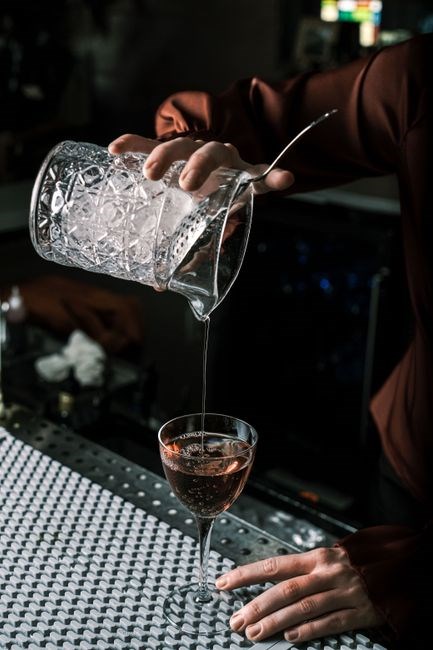
Engaging with the bartender community fuels growth. The subreddit r/bartenders offers real‑time Q&A, trend discussions, and peer feedback. Barsmarts provides in‑depth tutorials on fermentation and distillation, bridging theory and practice. Online forums such as MixologyTalk and the International Bartenders Association (IBA) forum connect professionals worldwide, sharing recipes, techniques, and industry news.
Social media platforms—Instagram, TikTok, and YouTube—feature master bartenders showcasing craft cocktails, behind‑the‑scenes processes, and live tutorials. Following hashtags like #bartending, #mixology, and #craftcocktails expands exposure to emerging styles and global influences.
Local meetups and bar clubs host workshops, tasting events, and “open bar” nights, fostering mentorship and networking. Competitions, including the World Bartender Championship and regional contests, challenge creativity and provide recognition.
Professional certifications from organizations such as the American Bartenders Guild (ABG) and the International Bartenders Association (IBA) validate expertise and open career pathways. Continuing education courses—online and in‑person—cover advanced mixology, flavor pairing, and business management.
Industry trade shows like the International Bartenders Association Conference and the Beverage Industry Expo showcase new spirits, tools, and technologies. Trade publications, podcasts, and blogs—e.g., “The Spruce Eats,” “Drink Magazine,” and “The Bar Review”—offer insights, reviews, and trend analyses.
By leveraging these resources, bartenders stay informed, inspired, and connected, ensuring their craft evolves with the dynamic beverage landscape;
Additionally, many universities offer hospitality management programs that include bartending modules, providing academic grounding in service excellence, inventory control, and regulatory compliance. Volunteer opportunities at community festivals, charity events, and pop‑up bars allow hands‑on practice while building a portfolio. Mentorship programs pair novices with seasoned bartenders, offering personalized guidance and career advice. Keep experimenting. Staycurio.