na literature pdf
Digital literature access is rapidly evolving, with PDF format becoming increasingly popular for reading classic and contemporary works․
Discovering and enjoying literature is now easier than ever, offering convenience and accessibility to readers worldwide․
PDFs provide a versatile way to explore Russian classics, school textbooks, and diverse poetry collections, all readily available online․
The Growing Popularity of Digital Literature
The shift towards digital literature is undeniable, fueled by increased accessibility and convenience․ Readers are increasingly turning to online platforms for their literary needs, embracing the ease of downloading and reading materials in formats like PDF and ePub․ This trend is particularly noticeable with classic Russian literature, where vast collections are now freely available online, catering to a global audience․
The availability of free online libraries and educational platforms offering literature textbooks in PDF format has significantly contributed to this growth․ Students and enthusiasts alike benefit from readily accessible resources, eliminating the barriers of cost and physical location․ The ability to search, annotate, and carry an entire library on a single device further enhances the appeal of digital reading․
Furthermore, the convenience of accessing literature on smartphones, tablets, and e-readers has solidified the popularity of digital formats, making reading a more integrated part of daily life․
Benefits of Using PDF Format for Literature
PDFs offer several key advantages for accessing and enjoying literature․ Their universal compatibility ensures consistent formatting across various devices and operating systems, preserving the author’s intended layout․ This is crucial for academic study and appreciating complex texts, like those found in classic Russian novels and school textbooks․
Another significant benefit is the ability to download and save PDFs for offline reading, eliminating the need for a constant internet connection․ This is particularly useful for travelers or those with limited data access․ PDFs also support features like search, annotation, and highlighting, enhancing comprehension and facilitating research․
Moreover, PDFs are relatively secure and can be password-protected, safeguarding valuable literary resources․ The format’s stability ensures long-term preservation of texts, making it an ideal choice for archiving and sharing literature․
Where to Find Literature PDFs Online
Numerous online platforms provide access to literature in PDF format, including free libraries, websites specializing in Russian classics, and educational resources offering textbooks․
Free Online Libraries for PDF Downloads
Open Library stands out as a valuable resource, offering a vast collection of PDF books available for reading, borrowing, and downloading․ This digital haven encompasses diverse subjects, notably including a substantial selection of literature․ Users can freely explore and access numerous titles without incurring any costs, making it an ideal starting point for avid readers․
Fictionbook is another excellent platform, specializing in providing free access to books in various formats, including fb2, epub, pdf, and txt․ It boasts a dedicated section for school literature textbooks, allowing students and educators to easily find and download essential reading materials without registration․
These libraries represent a significant contribution to democratizing access to literature, enabling individuals to engage with classic and contemporary works regardless of their financial circumstances․ They provide a convenient and legal avenue for exploring the world of books in PDF format․
Websites Offering Classic Russian Literature in PDF
Numerous online catalogs provide free access to masterpieces of Russian classical literature in PDF and ePub formats․ These platforms allow readers to both read online and download beloved novels, poems, plays, and short stories by renowned Russian authors․ This accessibility opens doors to a rich literary heritage for a global audience․
Dedicated websites curate extensive collections of works by Pushkin, Dostoevsky, Tolstoy, and other literary giants․ These resources often feature both original Russian texts and translations, catering to a diverse readership․ The convenience of PDF downloads allows for offline reading and study․
Exploring these online resources offers a fantastic opportunity to immerse oneself in the world of Russian literature, fostering cultural understanding and appreciation for timeless storytelling․
Educational Platforms Providing Literature Textbooks in PDF
Several online platforms specialize in offering literature textbooks in PDF format, catering to students and educators alike․ These resources often include textbooks classified by year of publication, subject matter, and language, providing a comprehensive and organized learning experience․ Access to these materials supports academic study and research․
Open libraries and educational websites allow users to read, borrow, and download PDF textbooks, often without registration․ These platforms cover a wide range of subjects, including literature, offering valuable resources for both classroom learning and independent study․
Digital textbooks provide a convenient and cost-effective alternative to traditional printed materials, enhancing accessibility and promoting a more sustainable approach to education․
Types of Literature Available in PDF Format
A vast array of literary works are accessible in PDF, including classic Russian novels, poetry collections, plays, and essential school literature textbooks for students․
Classic Russian Novels and Stories in PDF
Immerse yourself in the rich tapestry of Russian literature with readily available PDF versions of timeless masterpieces․ From the sprawling narratives of Leo Tolstoy – such as War and Peace and Anna Karenina – to the poignant short stories of Anton Chekhov, a world of literary brilliance awaits․
Explore the psychological depth of Fyodor Dostoevsky’s novels like Crime and Punishment and The Brothers Karamazov, delving into the complexities of the human condition․ Discover the satirical wit of Nikolai Gogol in works like Dead Souls, and experience the lyrical prose of Ivan Turgenev in Fathers and Sons․
Numerous websites offer these classic texts in PDF format, allowing readers to enjoy them on various devices․ These digital editions preserve the integrity of the original works, making them accessible to a global audience and fostering a continued appreciation for Russian literary heritage․
Poetry Collections Available as PDFs
Discover a vast landscape of Russian poetic expression through readily accessible PDF collections․ From the romantic verses of Alexander Pushkin, considered the founder of modern Russian literature, to the symbolic and often melancholic works of Anna Akhmatova, a wealth of emotion and artistry awaits․
Explore the powerful and revolutionary poetry of Vladimir Mayakovsky, a key figure in the Futurist movement, and delve into the lyrical beauty of Marina Tsvetaeva’s intensely personal poems․ Numerous online resources offer curated collections of Russian poetry in PDF format, encompassing diverse styles and eras․
These digital formats allow for convenient reading and study, preserving the original formatting and enabling readers to engage with the rhythm and nuance of the verse․ Enjoy the timeless beauty of Russian poetry, easily accessible through PDF downloads․
Plays and Dramas in PDF Format
Immerse yourself in the dramatic world of Russian theatre through readily available PDF versions of classic plays․ Anton Chekhov’s masterpieces, such as “The Seagull” and “Uncle Vanya,” offer profound insights into human relationships and societal complexities, now easily accessible for study and enjoyment․
Explore the politically charged dramas of Maxim Gorky, a prominent figure in socialist realism, and experience the satirical wit of Mikhail Bulgakov’s “The Master and Margarita,” a novel often adapted for the stage․
PDF formats preserve the original script formatting, allowing readers to appreciate the playwright’s vision and stage directions․ These digital resources are invaluable for students, theatre enthusiasts, and anyone seeking to explore the rich tradition of Russian dramatic literature․
School Literature Textbooks in PDF
Accessing comprehensive literature textbooks in PDF format offers students a convenient and cost-effective way to engage with required reading materials; Numerous online platforms provide downloadable PDFs for various grade levels, including 6th-grade electronic textbooks covering essential literary works․
These resources often categorize textbooks by year of publication, subject matter, and language, streamlining the search process․ Students can readily find materials aligned with their curriculum, facilitating focused study and improved comprehension․
PDF textbooks eliminate the need for bulky physical copies, promoting portability and digital organization․ Furthermore, features like search functionality and annotation tools enhance the learning experience, making it easier to analyze texts and prepare for assessments․

Navigating and Utilizing Literature PDFs
PDF readers offer features like searching, annotating, and converting to formats like ePub, enhancing the reading experience․
Downloading and saving PDFs ensures offline access to valuable literary resources․
Understanding PDF Features for Reading
PDFs offer a robust set of features designed to enhance the reading experience, going beyond simple text display․ Search functionality is paramount, allowing readers to quickly locate specific passages, characters, or themes within lengthy novels or complex poetry collections․ Annotation tools, such as highlighting and note-taking, facilitate active reading and deeper engagement with the text, proving invaluable for students and researchers․
Furthermore, many PDF readers allow for adjustable font sizes and styles, catering to individual preferences and visual needs․ Zoom capabilities are essential for examining intricate details within illustrations or analyzing complex layouts․ The ability to navigate through bookmarks and a table of contents streamlines access to different sections of the literature․ Modern PDF viewers also support text-to-speech functionality, offering an alternative way to consume literary works․ These features collectively transform PDFs from static documents into dynamic and interactive learning tools․
Downloading and Saving Literature PDFs
Downloading literature PDFs typically involves a straightforward process: locating the desired file on a website and clicking the download link․ Ensure the source is reputable to avoid malware․ Once downloaded, saving the PDF to a dedicated folder on your device is crucial for organization․ Consider creating subfolders categorized by author, genre, or academic year․
Browser settings can be configured to automatically save PDFs to a default location, streamlining the process․ Regularly backing up your PDF library to an external drive or cloud storage is highly recommended to prevent data loss․ Be mindful of file size, especially when downloading multiple large textbooks․ Utilize download managers for faster and more reliable downloads․ Remember to respect copyright restrictions when distributing or sharing downloaded PDFs․
Converting Literature PDFs to Other Formats (ePub, etc․)
Converting PDFs to formats like ePub or FB2 enhances readability on various devices, particularly e-readers․ Numerous online converters and dedicated software programs facilitate this process, offering varying degrees of accuracy and feature sets․ While conversion is convenient, formatting inconsistencies can sometimes occur, requiring minor adjustments․
ePub is ideal for reflowable text, adapting to different screen sizes, while FB2 maintains more of the original formatting․ Consider the specific needs of your e-reader when choosing a format․ Calibre, a popular e-book management tool, offers robust conversion capabilities․ Always verify the converted file for errors before relying on it for study or leisure reading․ Remember that converting copyrighted material may be illegal depending on your jurisdiction․

Legal Considerations and Copyright
Copyright laws protect literary works, impacting PDF distribution․ Accessing free PDFs is permissible for public domain texts, but paid resources ensure author compensation and legal compliance․
Copyright Laws and PDF Literature
Understanding copyright is crucial when accessing literature in PDF format․ Generally, works published after a certain date – often decades ago – are protected by copyright, meaning reproduction and distribution without permission are illegal․ This includes creating and sharing PDF copies․
However, many classic Russian novels and stories are now in the public domain, allowing for free distribution and download as PDFs․ Websites offering these resources operate legally by providing access to works where copyright has expired․
Downloading PDFs from unofficial sources can be risky, potentially violating copyright laws and exposing users to malware․ Always prioritize reputable platforms and verify the legality of the source before downloading․ Respecting copyright supports authors and ensures the continued creation of literary works․
Fair use exceptions may apply for educational purposes, but these are limited and require careful consideration of the specific circumstances․
Free vs․ Paid PDF Literature Resources
Numerous free resources offer literature in PDF format, including online libraries and websites specializing in classic texts․ These platforms provide access to public domain works, allowing readers to enjoy literature without cost․ However, quality and availability can vary significantly․
Paid resources, such as online bookstores and educational platforms, typically offer a wider selection, including contemporary works and textbooks still under copyright․ These often provide higher-quality PDFs with enhanced features like searchable text and interactive elements․
Educational platforms often require subscriptions or purchase fees for access to literature textbooks in PDF format, ensuring legally compliant distribution and supporting educational content creation․ Choosing between free and paid resources depends on individual needs, budget, and the specific literature sought․
Consider the source; free resources may lack editorial oversight, while paid options generally guarantee accuracy and legality․

Advanced Resources for Literature Study
PDFs unlock methodological literature, textbooks, and academic research materials, supporting bachelor-level studies and in-depth analysis․
Explore comprehensive resources for advanced literary exploration and scholarly pursuits․
Methodological Literature and Textbooks
Accessing methodological literature and textbooks in PDF format significantly enhances literary study, providing crucial support for both students and educators․ These resources, often available through online stores like Labirint, offer in-depth analyses and pedagogical approaches to understanding complex literary works․
Specifically, resources like the “ÓÅÁÍÈÊ ÄËß ÁÀÊÀËÀÂÐΔ (Guide for Bachelor Students) – a third revised edition – delve into the specifics of artistic literature, exploring its nature as an art form and its relationship with science․
PDFs facilitate easy access to these materials, allowing for convenient reading, annotation, and research․ Furthermore, the availability of these texts in digital format supports a more dynamic and interactive learning experience, crucial for advanced literary analysis and academic success․
These resources are invaluable for developing critical thinking skills and a deeper appreciation for the nuances of literature․
Resources for Bachelor’s Level Literature Study
For Bachelor’s level students, PDF format unlocks a wealth of resources crucial for in-depth literary analysis․ The availability of texts like the “ÓÅÁÍÈÊ ÄËß ÁÀÊÀËÀÂÐΔ (Guide for Bachelor Students) provides a foundational understanding of artistic literature’s unique characteristics and its connection to broader academic disciplines․
Online platforms offer access to methodological literature, supporting research and critical thinking․ These PDFs often include detailed chapter breakdowns, such as the exploration of artistic literature as a distinct art form and its interplay with scientific inquiry․
Furthermore, digital libraries and educational platforms provide access to classic Russian literature, poetry collections, and plays, all essential for comprehensive study․ The convenience of PDF format allows for efficient note-taking, annotation, and integration into research papers․
Utilizing these resources empowers students to excel in their literary pursuits․
Utilizing PDFs for Academic Research
PDFs are invaluable for academic research in literature, offering readily accessible primary and secondary sources; Researchers can efficiently analyze texts downloaded from online libraries and educational platforms, streamlining the investigation process․

The ability to search within PDF documents allows for quick identification of key themes, motifs, and critical passages․ This feature is particularly useful when examining extensive works of classic Russian literature or analyzing complex poetic structures․
Moreover, PDFs facilitate easy annotation and citation, essential components of scholarly work․ Researchers can highlight important sections, add notes, and seamlessly integrate sources into their writing․
Access to methodological literature in PDF format, like textbooks and guides, further supports rigorous academic inquiry, ensuring well-supported and insightful research outcomes․
Specific Examples of Available Literature
Numerous 6th-grade electronic textbooks, alongside literature classified by year, subject, and language, are readily available in PDF format for convenient study and research․
Literature for 6th Grade ― Electronic Textbooks
Accessing literature for 6th graders through electronic textbooks in PDF format offers a dynamic and convenient learning experience․ Resources like the “Литература․ 6 класс․ Электронная форма учебника․ В 2 ч․ Часть 1” from Просвещение provide comprehensive materials for students and educators alike․
These digital textbooks often include supplementary materials, enhancing comprehension and engagement․ Students can readily download and utilize these resources without registration, fostering independent learning․ The availability of these PDFs streamlines the educational process, making quality literature accessible to a wider audience․
Furthermore, these electronic versions often mirror the content of traditional textbooks, ensuring curriculum alignment․ They provide a portable and cost-effective alternative, supporting both in-class instruction and remote learning environments․ The ease of access and searchability within PDF format further contribute to a more efficient and effective learning experience for 6th-grade students․
Textbooks Classified by Year, Subject, and Language
Online libraries are increasingly organizing literature textbooks in PDF format by publication year, subject matter, and language, enhancing accessibility for students and researchers․ Platforms like the “Открытая библиотека” offer a vast collection categorized for easy navigation, allowing users to pinpoint specific resources efficiently․
This meticulous classification system simplifies the search process, enabling users to quickly locate textbooks relevant to their curriculum or research interests․ Whether seeking materials in Russian or other languages, the categorized structure ensures a streamlined experience․
The ability to filter by year of publication is particularly valuable for ensuring access to the most current editions or historical texts․ This organized approach transforms the landscape of digital literature access, making educational resources readily available and easily manageable for learners of all levels․

Future Trends in Digital Literature
Online reading platforms will continue evolving, with PDFs remaining a crucial format for literature access, alongside ePub and others․
Expect enhanced interactive features and personalized reading experiences․
The Evolution of Online Reading Platforms
The landscape of online reading is undergoing a significant transformation, moving beyond static PDF downloads towards dynamic and interactive experiences; Initially, platforms focused on providing access to digitized texts, including classic Russian literature and school textbooks in PDF format․ However, modern platforms are integrating features like adjustable fonts, built-in dictionaries, annotation tools, and even audio narration to enhance comprehension and engagement․
We are witnessing a shift towards subscription-based models offering vast libraries of ebooks and audiobooks, often including PDF versions for specific academic or research needs․ Social reading features, allowing users to share highlights and discuss texts with others, are also becoming increasingly common․ The future likely holds further integration of artificial intelligence, providing personalized reading recommendations and adaptive learning experiences tailored to individual preferences and skill levels․
PDFs, while potentially evolving in presentation, will remain a cornerstone due to their universal compatibility and preservation of formatting, especially for complex academic texts and research materials․
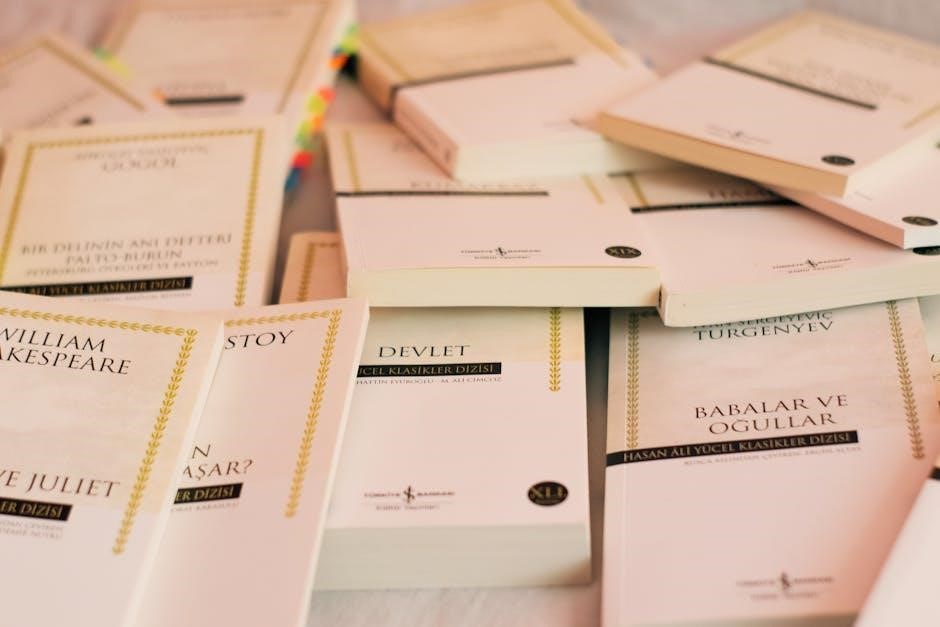
The Role of PDFs in the Future of Literature Access
Despite the rise of newer ebook formats like ePub, PDFs will maintain a crucial role in literature access, particularly for academic and archival purposes․ Their ability to preserve formatting—essential for complex layouts in textbooks and methodological literature—ensures faithful reproduction of original documents․ The continued availability of classic Russian novels and poetry collections in PDF format caters to readers preferring a static, printable version․
Furthermore, PDFs facilitate easy sharing and offline reading, vital for students and researchers with limited internet access․ While online platforms evolve, PDFs offer a reliable, universally compatible format for long-term preservation and distribution of literary works․ The accessibility of free PDF resources, alongside paid options, democratizes literature access globally․
Ultimately, PDFs will coexist with evolving platforms, serving as a foundational format for literature dissemination and study․